Trying to find the perfect holiday can feel like sitting an exam you’re only half prepared for.
You know some things. You don’t know others. For everything in between, you’re simply hoping for the best and waiting to see whether the holiday meets, or hopefully exceeds, your expectations.
It doesn’t have to be that difficult.
During our travels, we’ve had our successes and our mishaps. We’ve used both to become better holidaymakers and, hopefully, help you save some of the time and money we lost while learning these lessons ourselves.
This article will give you a head start on planning a better holiday, rather than leaving you feeling like you need to book another one just to recover from the endless tabs, searches and decisions involved in organising the first.
We’ve found that successful holiday planning usually comes down to six things:
- Location
- Convenience
- Timing and weather
- Safety and global events
- Travel companions
- Budget
Get those right and you’re far more likely to return home with brilliant memories rather than holiday regrets.
1. Location
Location, location, location.
When booking a holiday, let those words circle your brain. The destination is where you’ll be spending a considerable amount of your time and money, so it needs to offer the kind of experience you actually want.
It’s also important to remember that different parts of the same country won’t necessarily have the same atmosphere, scenery or activities.
Take Spain as an example.
When planning our first family holiday with a six-year-old, we wanted to go somewhere with a good level of English proficiency. That would allow the child to continue her inquisitive nature, ask questions and interact with people without feeling excluded or isolated.
We wanted somewhere that offered relaxation and access to water, but we also wanted a proper city to explore. We had no interest in spending the entire holiday glued to a sunbed when there was somewhere new waiting beyond the hotel pool.
Balance was what we were looking for.
We also wanted a relatively short flight because we were slightly nervous about how her first flying experience would go.
Spoiler alert: it was a very smooth two-hour flight, and she even got to begin the journey sitting in the pilots’ seats.
The downside is that we created such high expectations that she now assumes spending time with the pilots should be part of every flight.
We eventually settled on Barcelona because it ticked all our boxes.
We spent time at Nova Mar Bella Beach, went kayaking in Parc de la Ciutadella, had a slight panic while parakeets ate food of my fiancée’s head and flinched at the force of the gorillas beating their chests at Barcelona Zoo.

Barcelona worked because it matched what we wanted from that particular holiday.
Had we assumed that every part of Spain would offer the same experience, we could have been heavily disappointed. Madrid is another extremely popular city, but from previous experiences, English wasn’t as widely spoken there as it was in Barcelona. Madrid also doesn’t have a beach, which would have prevented us from spending time near the water, one of the core aims of our trip.
One country can offer several completely different holidays. The important thing is finding the location that matches yours.
Somewhere Calling Tip
Before researching destinations, write down exactly what you want from your holiday.
Do you want:
- A beach?
- A busy city?
- Family attractions?
- Good food?
- Adventure?
- Complete relaxation?
- A short flight?
- A mixture of several things?
Choose a destination that satisfies your requirements instead of trying to force your requirements to fit a destination.
2. Convenience Matters More Than You Think
Once you’ve identified the right destination, the next thing to consider is exactly where you’ll be based.
The wrong hotel or apartment location can have a surprisingly significant impact on the success of your trip.
Start spreading the news…
In April, we took a four-night trip to the Big Apple.
The idea came from wanting to see Harry Potter and the Cursed Child in the theatre. During our research, we discovered that Tom Felton, yes, that Tom Felton, the real Draco Malfoy, would be reprising his role in the Broadway production.

Forty-eight hours later, the holiday was booked.
On the night of the show, we woke up at exactly the time the 8pm performance was due to start after enjoying one too many Disney cocktails at Sveta Bar.
Fortunately, we were staying in a Times Square hotel only six minutes from the theatre, which meant we were still able to get there without missing too much.
Location, location, location, anyone?
Staying centrally didn’t just help us explore different parts of New York. It saved us from completely missing a theatre performance that had cost us $332.
New York is an example of accommodation location adding something positive to a holiday.
Unfortunately, our weekend in Paris showed us what can happen when the location works against you.
We stayed at TRIBE Paris La Défense Esplanade. Had we been visiting Paris for longer, the location probably wouldn’t have caused us as much difficulty. However, when you only have from Friday evening until Sunday afternoon, every minute counts.
Paris is similar to London in that the different places on your itinerary can easily be 30 minutes or more away from one another. When so much of your limited time is spent travelling, the experience quickly becomes tiring and time-intensive.
The restaurant we were most excited about visiting was approximately 44 minutes away by public transport. By the time we arrived, we had missed our reservation.
We scrambled to find something else to eat and eventually ended up with a mediocre takeaway back at the hotel.
Not exactly the Parisian dining experience we’d imagined.
Somewhere Calling Tip
Work backwards.
List the places you want to visit and the experiences you want to have before booking your accommodation. Then look for a hotel or apartment that makes those plans easier.
A beautiful hotel quickly loses some of its appeal when you’re spending half your holiday travelling to and from it.
3. Timing and Weather Can Make or Break a Trip
Timing and weather are closely connected, but they aren’t always the same consideration.
In February, temperatures in Bahrain can be pleasantly warm. To be fair, almost anything warmer than the UK outside our occasional heatwave season can feel like good holiday weather.
However, your travel dates may also coincide with Ramadan.
That doesn’t necessarily mean you shouldn’t travel. It simply means your experience may differ from what you initially imagined. Restaurant and shop opening hours may change, alcohol availability may be more limited and the overall atmosphere may be quieter, particularly if you prefer a busier holiday environment.
The calendar matters just as much as the temperature.
Weather itself can also have an enormous impact on your experience.
I’ve visited Bahrain in temperatures of around 40°C, where you go through an intense period of character development while dealing with the novel feeling of being burned by a seatbelt.
There are definitely bargains available when travelling outside the most popular season. The trade-off is that you may have to accept less predictable weather or a different atmosphere.
On a nine-day trip across the Caribbean and America, we encountered torrential rain only on the final day of the holiday.
That also happened to be the day we were considering spending at a water park, so in some ways we had already accepted that getting soaked was on the itinerary.
Travelling outside peak season can be a risk worth taking. You just need to understand what you’re risking and have an alternative plan.
Somewhere Calling Tip
Research the local calendar as carefully as the weather forecast.
Religious observances, festivals, public holidays, school holidays and seasonal closures can change the atmosphere, availability and cost of a destination.
Also ask yourself what happens if the weather ruins your main plan. A list of indoor alternatives can rescue a rainy city break.
4. Safety and Global Events
Safety can be a bit like your health.
When everything is fine, it’s easy to take it for granted. When something goes wrong, you quickly realise just how important it is.
Your background, identity, circumstances and personal tolerance for risk may all influence how comfortable you feel in a destination. If we’re unfamiliar with an area, we research it before making a booking.
We usually look at official travel guidance, local reporting and recent experiences shared by travellers currently visiting the destination. Social media can provide useful first-hand perspectives, but we don’t rely on it as our only source of safety information.
We recently considered San Francisco, but our initial research raised concerns about the level of vigilance we might need in certain areas.
We already have to be vigilant while moving through central London. We weren’t particularly interested in paying hundreds of pounds to maintain exactly the same level of alertness on holiday.
Travel is meant to provide some form of escape from the stresses and repetition of everyday life. Although the holiday obviously isn’t free, we like it to feel as free from unnecessary worry as possible.
Wider global events can also disrupt even the most carefully curated plans. Conflict, airspace closures, strikes, political tension and sudden transport disruption can affect flights, accommodation and planned itineraries for reasons completely outside your control.
That doesn’t mean living in fear or automatically avoiding entire regions. It means travelling with your eyes open, monitoring reliable information and protecting yourself financially where possible.
Somewhere Calling Tip
Before booking and again before travelling, check:
- Official UK travel advice
- Your travel insurance coverage
- Recent local reporting
- Airline and transport updates
- Current traveller experiences
- Whether your bookings are flexible or refundable
Travel insurance isn’t the most exciting part of holiday planning, but it can become one of the most valuable purchases when something goes wrong.
Editor’s note: Check and update any references to current conflicts, safety concerns or official travel advice immediately before publishing. These details can change quickly.
5. Choose Your Travel Companions Carefully
Who you travel with can make or break your trip.
Not every friend or family member is necessarily worth travelling with. Someone can be great company for a few hours but cause considerably more apprehension than happiness when you’re spending several days together.
Before booking, have honest conversations about expectations.
Budget is a good place to start.
If one person is frugal and conservative with money while the other is spending like it’s 1999, that difference will cause contention when deciding on:
- The country
- Flight times and routes
- Accommodation
- Restaurants
- Activities
- The itinerary
- Even whether you’re visiting an airport lounge
You also need to ask whether you can genuinely tolerate the person for an extended period.
Seeing someone periodically for dinner is very different from sharing accommodation and making joint decisions for several consecutive days.
It’s like those couples who get together, book their first holiday and then have the relationship arrive back at the departure lounge without them.
Fortunately, we weren’t claimed by the first-couple-holiday curse. Sixteen countries later, at the time of writing, we’ve lived to enjoy cocktails on the beach another day.
Your daily routines matter too.
If one person wants to be out of the accommodation by 8am but the other is a night owl who won’t be rolling out of bed until 10am, you’ll quickly discover that you have very different ideas about how a holiday should be spent.
Compromise is inevitable when travelling with someone else. However, too much compromise can leave one person feeling guilty and the other feeling unfulfilled.
The best travel companion isn’t necessarily someone who likes everything you like. It’s someone whose priorities are compatible with yours and who can communicate when they aren’t.
Somewhere Calling Tip
Before booking a trip together, discuss:
- The total budget
- Spending habits
- Sleep schedules
- Activity levels
- Food preferences
- Must-do experiences
- How much time you expect to spend together
- How much time you may want separately
An awkward conversation before booking is considerably better than an argument halfway through the holiday.
6. Budget for Reality, Not Perfection
Always allow for unexpected expenses.
When we were in Prague, my fiancee thought she hadn’t packed any heels for dinner. Stress followed because the shoes were supposed to complete the outfit.
We ended up walking through the streets of Prague and eventually found something suitable for her to wear.
We hadn’t planned to go shopping, but this is exactly how a holiday budget begins to expand.
The twist?
When we returned to the UK, my fiancee realised the original heels had been packed all along. My fiancee just hadn’t been able to find them.
I like to think that my usual method of searching for an item like a man had somehow influenced her.
Unexpected travel costs can appear in all sorts of ways.
We’ve had to spend between £60 and £80 on taxis after trains were cancelled or terminated unexpectedly during journeys connected to a Berlin trip.
Then there are the airport essentials, such as food when you’re running late and, apparently, BuzzBallz at Heathrow.
Accommodation can bring its own surprises.
In New York, we encountered resort fees, which left us wondering why mandatory charges weren’t simply included in the booking price from the beginning.
City taxes are another common addition, usually paid locally rather than included in the headline accommodation cost.
Then there are ATM charges, which can be eye-watering. During our recent Caribbean cruise, we held onto our final $20 in cash as though it had somehow become more valuable than our passports.
Data and roaming costs
Data roaming fees can also sting.
During a trip to Greece, my phone connected to a Turkish mobile network because of our proximity to Turkey. That resulted in a charge of nearly £60, although I was fortunately able to get the bill withdrawn.
Then there are eSIM costs.
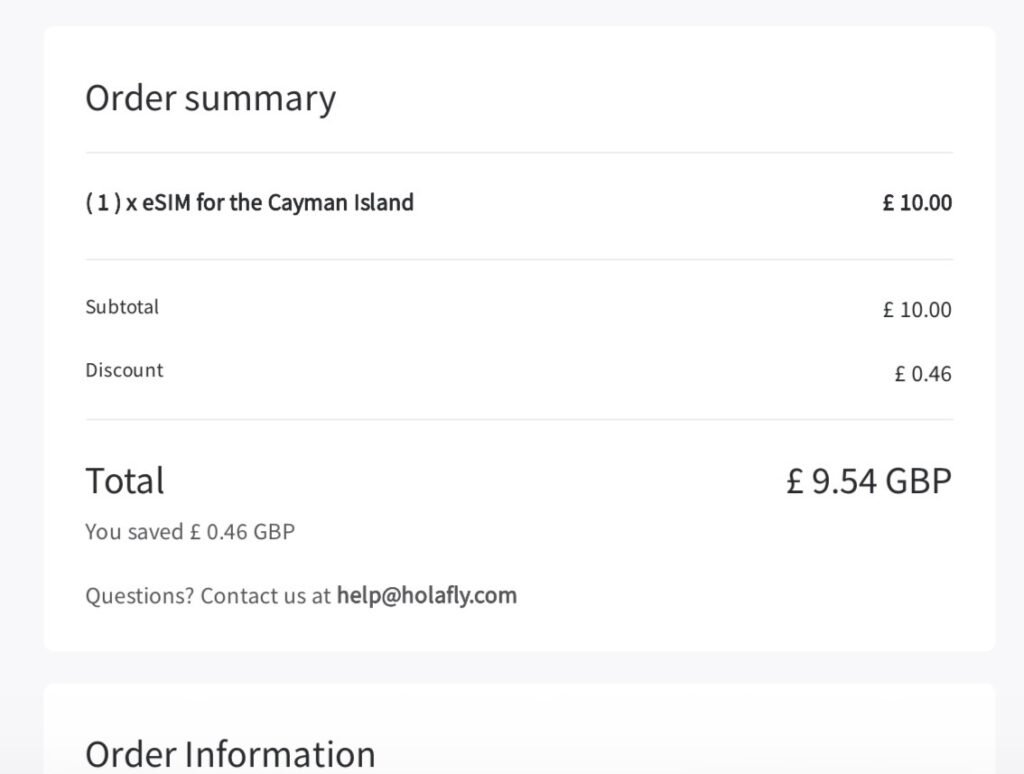
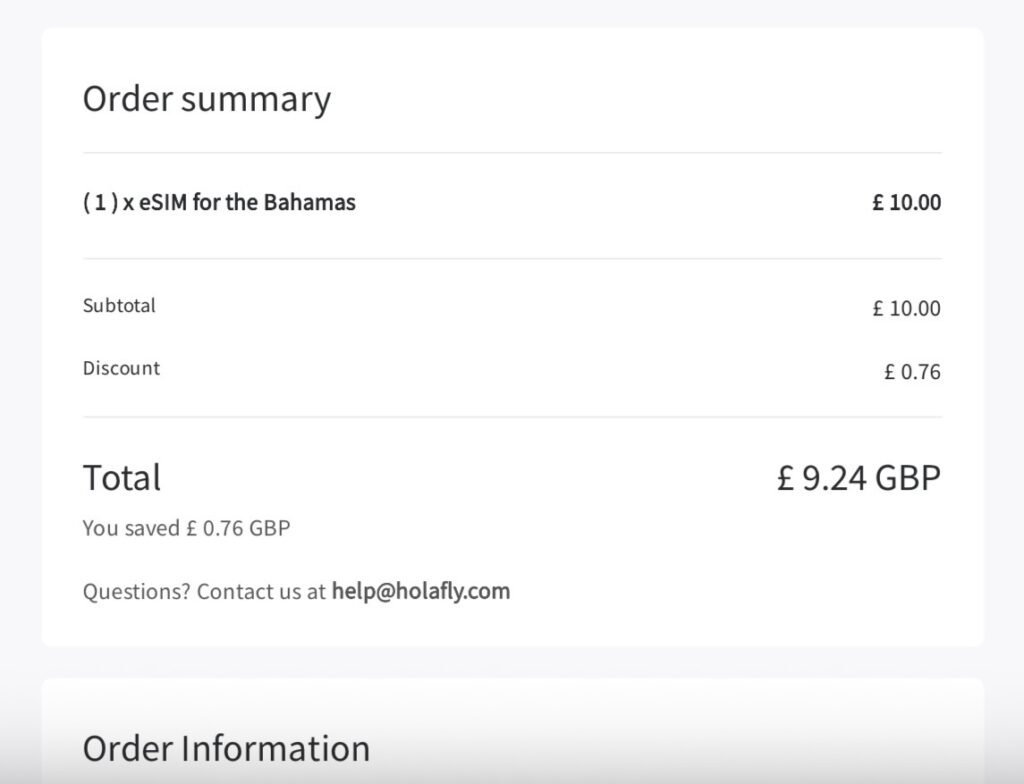
Over two days I spent around £19 to stay connected during visits to the Cayman Islands and the Bahamas. That might be manageable for a short trip, but imagine multiplying it across a longer holiday or several devices.
Suddenly, posting holiday content and checking currency conversions can feel considerably less urgent.
Service charges, tax and tipping
One of the costs that has confused us most is eating out in America.
As Brits, our tipping culture is very different. We appreciate that many hospitality workers in America depend heavily on tips, and we do try to tip appropriately.
Where things become confusing is when a service charge has already been added, someone is hovering over you with the card machine, and the next screen asks you to select an additional tip.
Moments like that can make you regret ordering the extra calamari.
In some American locations, displayed prices may not include sales tax. By the time tax, service charges and tips have been added, you can find yourself wondering whether you were really that hungry after all.
Transport and location costs
Your accommodation location can also affect the budget.
During a recent trip to Faro, we relied heavily on taxis. Fortunately, the Uber journeys were normally around £4 to £6, which is fairly economical for a family of three.
Individually, each journey felt inexpensive. Collectively, they still added up.
Even budget choices can be expensive
When we travelled to Geneva, we already knew Switzerland was notoriously expensive.
We were working with a stricter budget, so instead of dining at a restaurant, we decided to order a takeaway at the hotel.
I only wish the takeaway had decided to remove 50% from its prices.
Two burgers, two portions of chips and some chicken strips came to approximately €60.
Apparently, choosing a takeaway doesn’t always mean choosing the cheaper option.
Of course, you should begin with a general budget. The amount available will affect the destination, duration, transport, accommodation and itinerary.
Just make sure the budget reflects the real holiday rather than only the headline booking price.
Somewhere Calling Tip
Once you’ve calculated your expected holiday cost, add a contingency amount for expenses you haven’t predicted.
Unexpected taxis, local taxes, card charges, data, airport food and spontaneous purchases have an irritating habit of appearing when you think everything is already covered.
Also check what isn’t included before booking:
- Local or city taxes
- Resort and facility fees
- Checked luggage
- Seat selection
- Airport transfers
- Mobile data
- Tips and service charges
- ATM and foreign transaction fees
Final Thoughts
Holiday planning can be confusing and stressful.
There are endless options, decisions and opportunities to second-guess yourself. However, when you finally experience the result of all that planning, it becomes much easier to understand why the effort was worthwhile.
You deserved the holiday. You should be able to enjoy it.
We started this article trying to answer one question:
How do you find the perfect holiday?
There isn’t one objective answer.
The perfect holiday is the one that makes you feel more at ease and more connected to the world. It creates a different kind of happiness from the one you experience during everyday life.
It’s the kind of experience you can look back on in 20 years and feel grateful that none of the reasons that nearly prevented you from booking managed to outweigh the countless memories you gained by going.
For some people, that will involve a beach.
For others, it will be a busy city, an adventure or a week of doing absolutely nothing.
The perfect holiday doesn’t need to be the most expensive, luxurious or Instagrammable option. It needs to fit what you want, who you’re travelling with and what you need at that particular point in your life.
If you’ve finished reading this article, you’re already heading in the right direction.
Because somewhere is always calling.
Love, Luggage & Adventure